Geographic Influences on Application Selection for Live and Virtual Event Wagering Among Enthusiast Groups
Written by Carlo Simon · Sep 14, 2026
Geographic Influences on Application Selection for Live and Virtual Event Wagering Among Enthusiast Groups
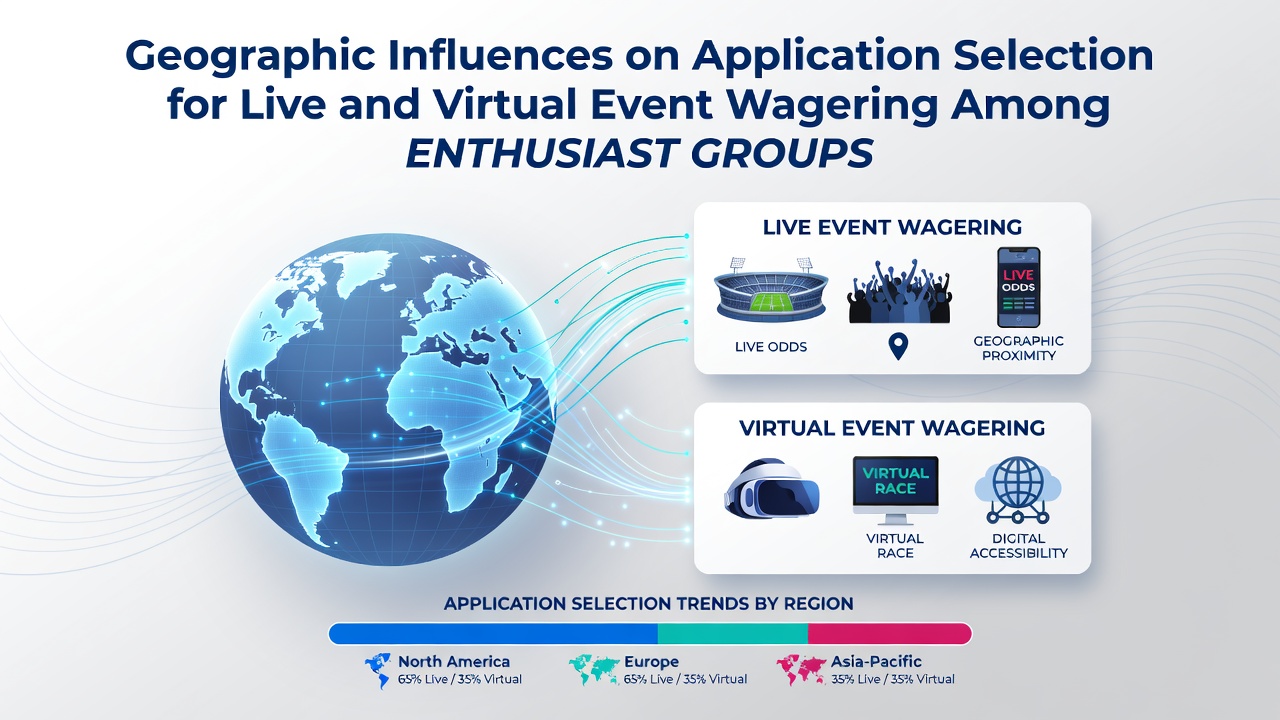
Geographic location shapes how enthusiast groups select applications for live event wagering and virtual event wagering, since regulations, infrastructure, and cultural patterns differ sharply from one area to another. Data compiled through 2026 shows that these factors combine to steer users toward specific platforms that match local conditions rather than universal preferences.
Regulatory Landscapes Across Regions
Rules set by government bodies determine which applications reach users and what features they can offer, and observers note clear differences between North America, Europe, and parts of Asia and Oceania. In several U.S. states where mobile wagering expanded after 2018, applications must comply with individual licensing requirements that affect payout speeds and available event types, while Canadian provinces operate under separate frameworks that emphasize operator accountability. Australian state commissions apply similar controls that favor platforms with strong local payment integration, and these variations mean enthusiasts in each area often settle on different tools for tracking live odds or accessing simulated competitions.
Enthusiast communities adapt quickly to these constraints, and researchers tracking adoption rates through September 2026 found that users in tightly regulated zones gravitate toward applications already pre-approved by regional authorities, whereas participants in areas with fewer restrictions experiment more freely with emerging platforms.
Infrastructure and Connectivity Patterns
Network quality and device ownership further narrow application choices because live event wagering relies on real-time data streams that demand stable connections. Urban centers in North America and Western Europe typically support high-bandwidth applications that display multiple live feeds simultaneously, yet rural zones in the same countries often experience latency that pushes users toward lighter virtual event interfaces with lower data demands. In parts of Southeast Asia and South America, mobile-first infrastructure encourages applications optimized for intermittent signals, and enthusiasts there report higher usage of platforms that cache virtual match simulations for offline review.
Those who study these trends point out that broadband penetration figures from national statistical agencies correlate directly with the complexity of features enthusiasts select, since slower regions favor streamlined apps over feature-heavy alternatives.
Cultural and Demographic Drivers
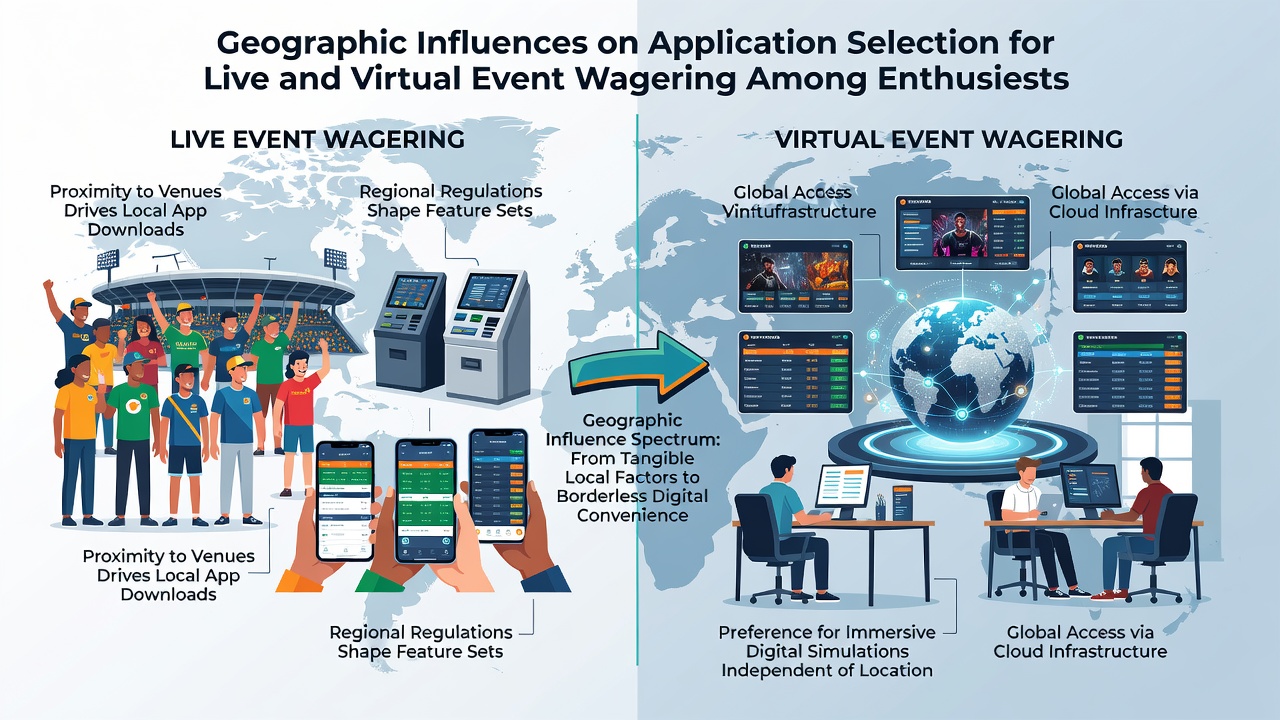
Local sports traditions and social habits influence which events enthusiasts follow and therefore which applications gain traction. In areas where professional leagues dominate calendars, users prioritize tools that deliver granular live statistics and in-play adjustments, while regions with strong interest in simulated or e-sports competitions lean toward platforms offering rapid virtual event cycles. Demographic data collected by academic teams in Canada and Australia indicate that younger cohorts in metropolitan zones adopt virtual event features more readily, whereas older groups in the same cities maintain loyalty to established live event interfaces.
Payment preferences tied to local banking systems add another layer, since applications that integrate regional digital wallets see faster uptake than those limited to international cards. Observers tracking enthusiast forums across time zones note that these practical considerations often outweigh brand recognition when groups compare options.
Examples from Distinct Markets
One study released by the American Gaming Association examined how state-level rules in the United States steered different enthusiast segments toward particular mobile tools, and the findings highlighted that participants near major sports markets selected applications with robust live event coverage while users in smaller markets explored virtual alternatives more often. In contrast, reports from the Australian Gambling Research Centre documented how geographic isolation in certain territories encouraged reliance on applications that bundle both live and virtual offerings into single interfaces to reduce switching costs.
Enthusiast groups in European Union member states outside the United Kingdom operate under varying national interpretations of cross-border rules, and data gathered through 2026 shows these differences produce distinct app ecosystems even within short travel distances. Researchers comparing adoption curves in neighboring countries found that small regulatory tweaks, such as changes to deposit limits or data privacy standards, shifted user bases measurably within months.
Conclusion
Geographic influences on application selection for live and virtual event wagering emerge from the intersection of regulation, infrastructure, culture, and demographics, and these elements continue to evolve as new licensing frameworks appear. Enthusiast groups respond to these conditions by favoring platforms that align with their immediate surroundings, resulting in fragmented rather than uniform adoption patterns across regions. Continued monitoring by industry organizations and academic researchers will clarify how these geographic factors develop beyond September 2026.